
When Your Store Managers Report Outages First
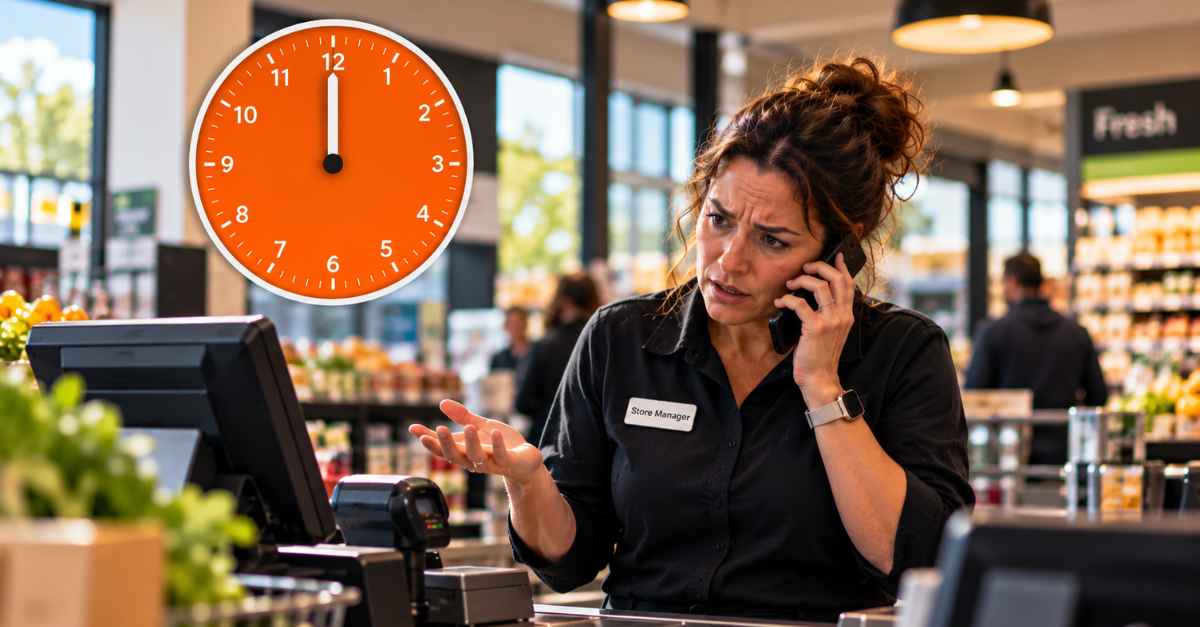
When your store managers are telling you about the outage, you've already lost an hour. Losing a peak trading hour across your estate isn't just an IT issue; it's lost revenue, missed targets, and customers who don't come back.
At 10:07am on a Saturday morning, your busiest window of the week, a store manager calls head office: 'the tills are down.' By then, customers are already walking out, store teams are firefighting, and central visibility has already failed at the exact moment it needed to work. For operations leaders, this isn't a one-off; it's a pattern that over time doesn't just cost money, it erodes trust in central teams to keep the estate running.
Our pilots show that around 68% of faults are reported by store staff or customers before the central team sees them. When the first sign of a problem comes from the shop floor, the business is already reacting, not managing. A peak trading hour gets lost, often the most valuable of the week. Customers abandon purchases in real time, and store teams switch from serving customers to managing disruption.
Over time, something more damaging takes hold. Each incident reinforces the same message: central visibility isn't reliable. Store teams stop expecting issues to be caught centrally and start compensating for it themselves, embedding a reactive culture.
This isn't a tooling problem; it's a design problem. Most monitoring approaches used across estates today were built for a single site, then stretched across dozens or hundreds without being rethought. At a small scale, that works. At scale, it breaks. Alerts were designed for engineers, not the board, so signals describe events without describing business impact.
High-performing operators don't eliminate incidents; they eliminate surprise. At that level, most incidents are caught centrally before the store even calls. Resolution starts before disruption becomes visible, allowing store managers to focus on customers while operations leaders focus on performance.

Latest insights and trends




See what's happening across your estate, in real time